Yes, soft washing is completely safe for your roof and siding. Unlike pressure washing, soft washing uses low-pressure water combined with cleaning solutions to remove algae, mold, and grime without forcing water under shingles or cracking siding. It is actually the recommended method for these surfaces by most roofing and siding manufacturers.
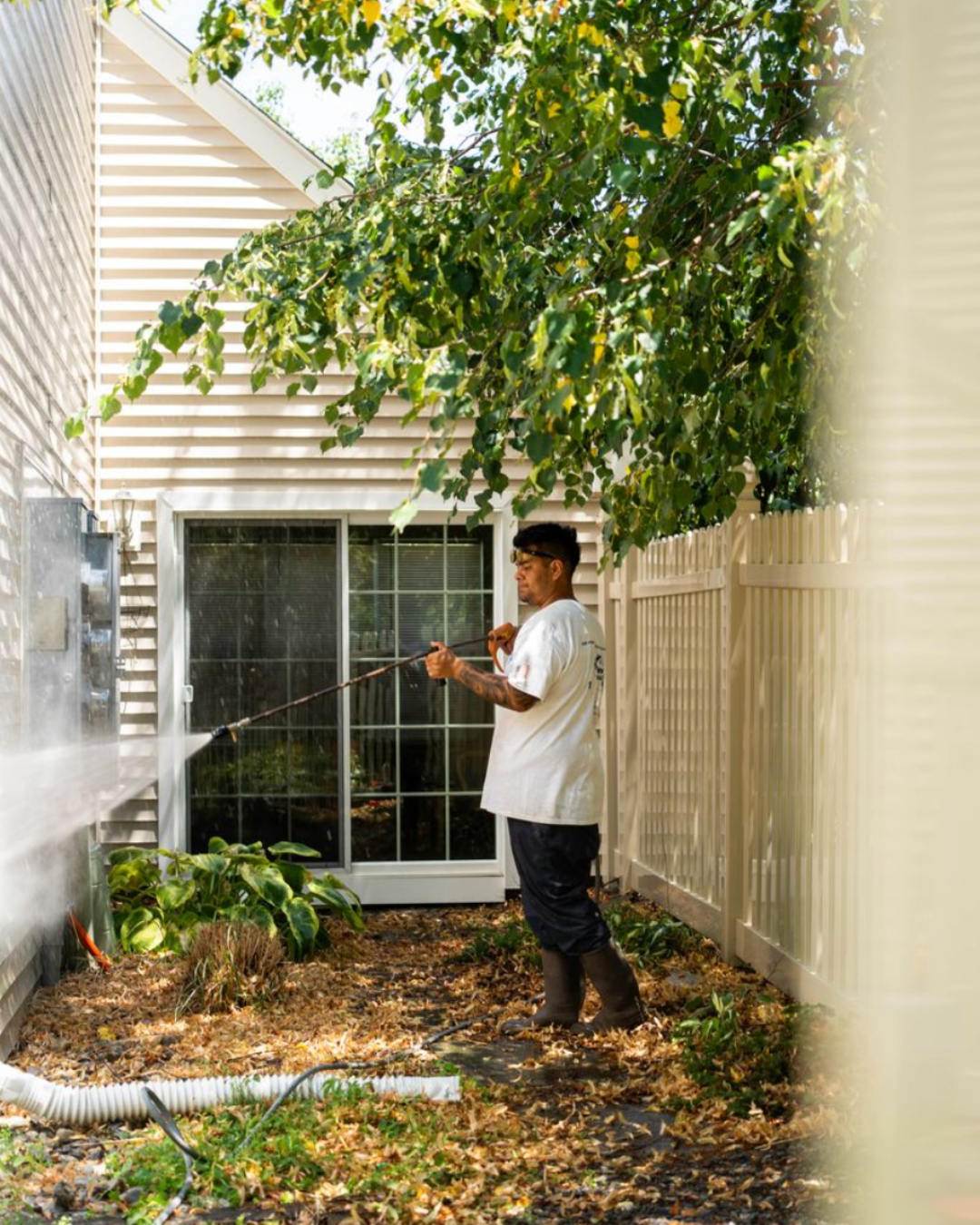
A homeowner in Freehold, NJ recently called us with this exact concern. They had green algae growing on their siding and wanted their roof cleaned but were worried about whether high pressure would cause damage. It is a fair question, and we hear it all the time. A lot of homeowners assume that more pressure means a better clean, but that is not always the case.
At Clearview Washing, we use soft washing on roofs and siding specifically because it protects your home while still getting the job done right. Here is everything you need to know about how it works and why it matters.
What Exactly Is Soft Washing and How Does It Work?
Soft washing is a cleaning method that relies on low water pressure combined with biodegradable cleaning solutions to break down and remove biological growth like algae, mold, mildew, and lichen. The solution does the heavy lifting, not the water pressure.
Think of it like the difference between scrubbing a dirty dish with a sponge versus blasting it with a hose. The soap does the real work. The water just rinses it away.
Our soft wash process typically involves:
Applying a low-pressure cleaning solution to the surface
Letting the solution dwell to break down biological growth at the root
Rinsing with gentle, low-pressure water
Leaving behind a surface that stays cleaner longer because the growth is fully treated, not just blasted off
You can learn more about the full process on our soft washing and power washing service page.
Why Is High-Pressure Washing Dangerous for Roofs and Siding?
High-pressure washing can strip granules from asphalt shingles, crack or warp vinyl siding, force water behind panels, and void your roofing warranty in some cases. These are not small risks. They can lead to leaks, premature roof replacement, and thousands of dollars in repairs.
Asphalt shingles are especially vulnerable. Those granules on the surface protect the shingle from UV damage and water intrusion. Once they are blasted off, the clock starts ticking on your roof’s lifespan.
Vinyl and fiber cement siding are also at risk. High pressure can push water into seams and under panels, creating moisture problems inside your walls that you may not notice until mold starts showing up indoors.
What Surfaces Should Be Soft Washed vs. Pressure Washed?
Soft washing is best for roofs, siding, wood decks, fences, and any surface where high pressure could cause physical damage or force water into areas it should not go. Pressure washing is better suited for hard, durable surfaces like concrete and masonry.
Here is a simple breakdown:
Soft wash only: Asphalt shingles, cedar shakes, vinyl siding, stucco, painted wood, window surrounds
Pressure wash friendly: Concrete driveways, brick walkways, paver patios, garage floors, concrete block walls
Either method depending on condition: Wood decks, composite decking, certain types of fencing
When a homeowner calls us about a patio alongside a roof and siding job, we often use both methods on the same visit. Each surface gets the right treatment for that specific material.
Does Soft Washing Actually Remove Algae and Mold?
Yes, soft washing removes algae, mold, mildew, and lichen more effectively than pressure washing because it kills the biological growth at the source rather than just removing the surface layer. If you only blast off the visible growth without treating the root system, it grows back much faster.
That green streaking you see on siding? That is usually a type of algae called Gloeocapsa magma. It feeds on moisture and the limestone filler in asphalt shingles. Our cleaning solutions break down the organism entirely so the results last significantly longer than a pressure wash would.
Our roof cleaning service uses this exact soft wash approach to safely eliminate growth and restore your roof’s appearance without risking any damage.
How Long Does Soft Washing Take and How Often Should It Be Done?
Most residential soft washing jobs take between two and four hours depending on the size of the home and the number of surfaces being treated. Results typically last one to three years depending on your local environment and how much shade or moisture your home is exposed to.
Homes in areas with heavy tree cover or high humidity tend to see biological growth return faster. In New Jersey, where we get humid summers and a fair amount of rainfall, we generally recommend having your roof and siding soft washed every one to two years to stay ahead of buildup.
Catching algae and mold early also prevents the growth from working its way into cracks or seams where it can cause more serious damage over time.
Can Soft Washing Be Done at the Same Time as Window Cleaning?
Yes, we regularly combine soft washing with exterior window cleaning on the same visit, which is both efficient and practical since the house is already being rinsed down. Windows are always cleaned last so that any overspray from the roof or siding does not re-dirty them.
This is a common request from homeowners who want a full exterior refresh in one appointment. If you are already having the siding and roof done, adding window cleaning on the same visit makes a lot of sense. Check out our window cleaning service to see what is included.
Our team is trained to work through a logical sequence on each job so that every surface ends up clean and nothing gets overlooked.
Frequently Asked Questions
Will soft washing leave any chemical residue on my siding or roof?
No. The cleaning solutions we use are thoroughly rinsed away during the process. They are also biodegradable and safe for your landscaping when applied correctly. We take care to protect plants and garden beds around your home before we start.
Is soft washing safe for all types of roofing materials?
Soft washing is safe for asphalt shingles, cedar shakes, metal roofing, and tile roofs. The method and solution concentration may vary slightly depending on the material, but low-pressure application is universally safer than high-pressure washing for any roofing surface. We assess the material before we start every job.
How do I know if my roof actually needs cleaning or if it just looks old?
Black streaks, green patches, and dark discoloration are almost always biological growth, not age-related fading. If you wipe a small area and the color changes or you see a green or black residue on your hand, that is algae or mold. A soft wash can restore the original appearance in most cases and extend the life of your roof significantly.
Do I need to be home when the soft washing is done?
You do not need to be home for most exterior washing jobs as long as we have access to an outdoor water spigot and the areas we are cleaning are accessible. We will communicate with you before and after so you know exactly what was done. That said, some homeowners prefer to be present for the initial assessment, which is completely fine with us.
Our team at Clearview Washing has been serving homeowners throughout New Jersey with honest assessments and reliable results. We are not just here to clean your house. We are here to help you protect it.
Ready to Get a Safe, Thorough Exterior Clean in Freehold, NJ?
If you have algae on your siding, dark streaks on your roof, or dirty windows that need attention, we are ready to help. We serve homeowners throughout Freehold, NJ and the surrounding area with professional soft washing, roof cleaning, window cleaning, and more.
We will assess your property, walk you through exactly what needs to be done, and send you a clear estimate. No guesswork, no pressure. Just an honest look at what your home needs.
Contact us today to get your free estimate and find out what soft washing can do for your home.